Toimituskulut on laskettu vastaanottajan postinumeron perusteella:00180 - Helsinki Vaihda postinumero
Syötä postinumero toimitusta varten: Tallenna
EUR
191,94
ilman ALV 152,94
Kokonaishinta sis. toimitus
191,94
Tämä toiminto vaatii sisäänkirjautumisen. Luo käyttäjä ja voit käyttää listojamme esim. säännöllisiä ostoksia ja toivelistoja varten Luo käyttäjä Kirjaudu
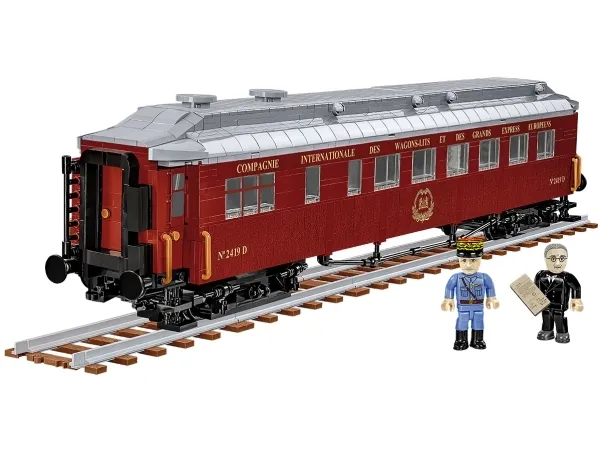
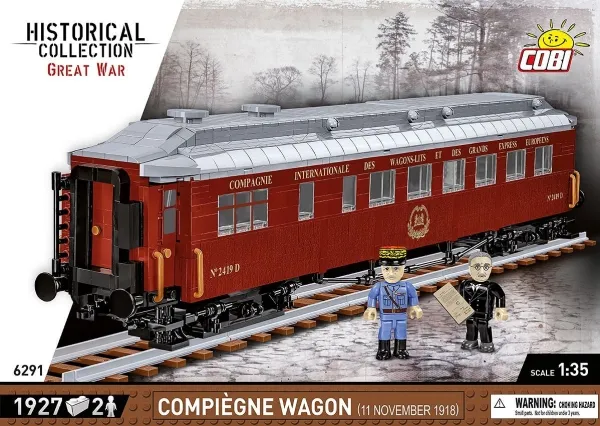
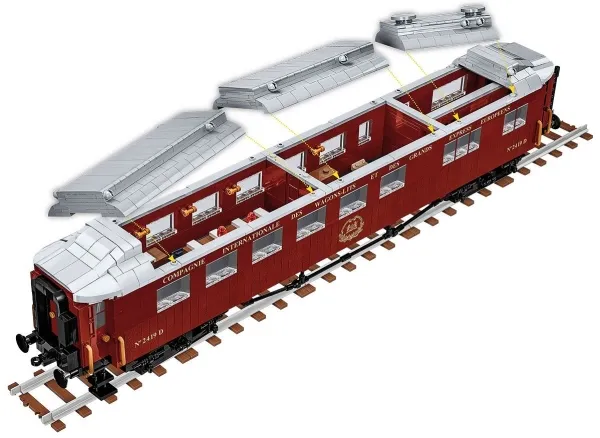
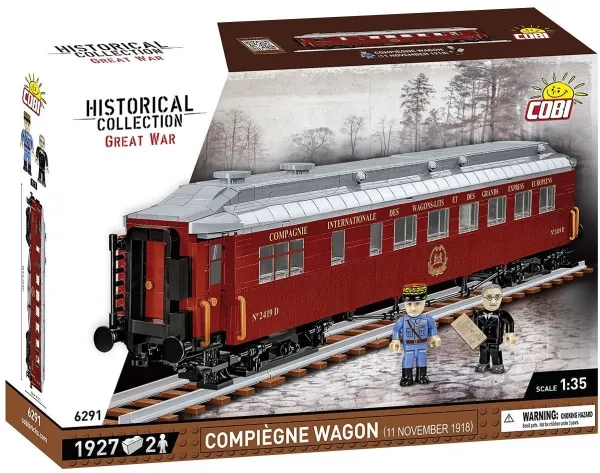
The railway series from COBI is still growing! Another historical railway wagon matching the 1:35 scale is joining the collection. This legendary restaurant wagon was part of the famous Orient Express! It went down in history as the place where the armistices were signed in Compiègne. The wagon is one of the most important symbols of both world wars, but it is also inextricably linked to railways, luxury and design style.
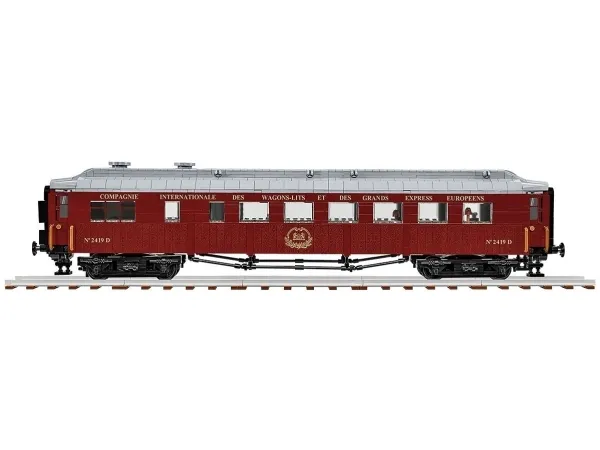
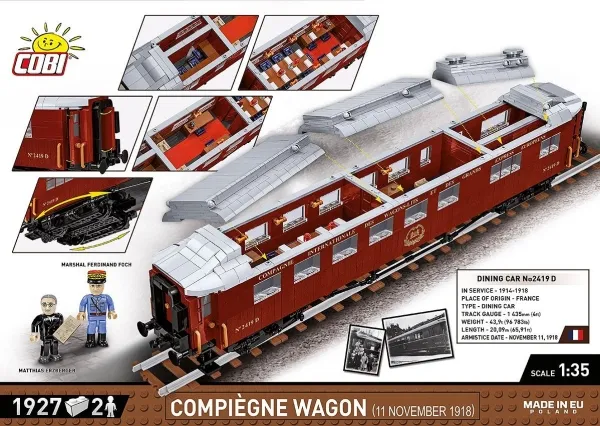
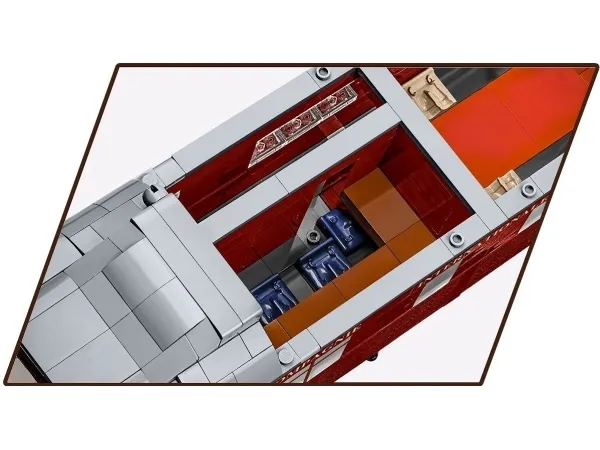
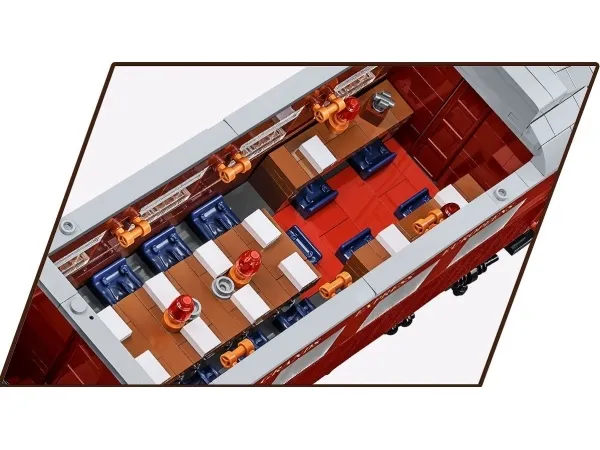
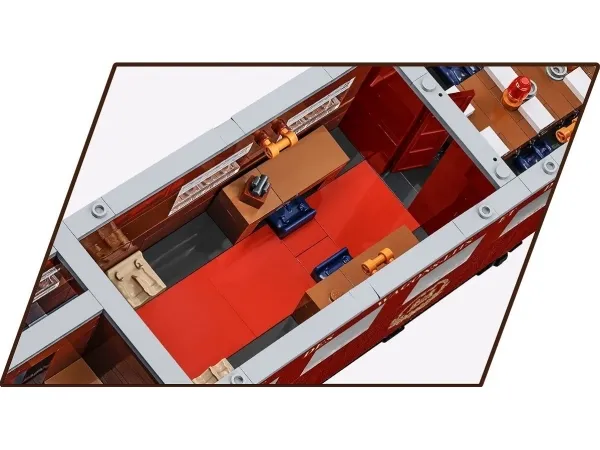
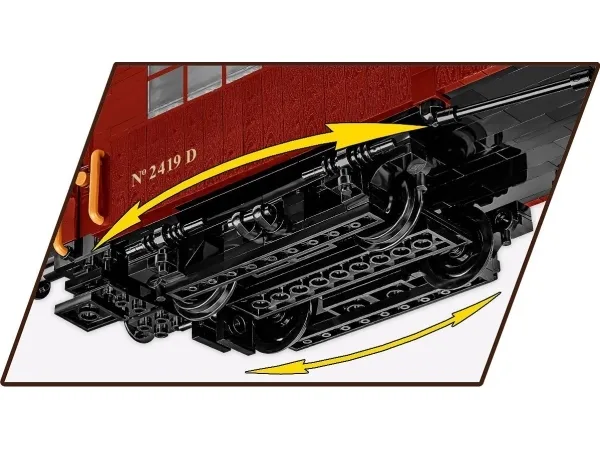
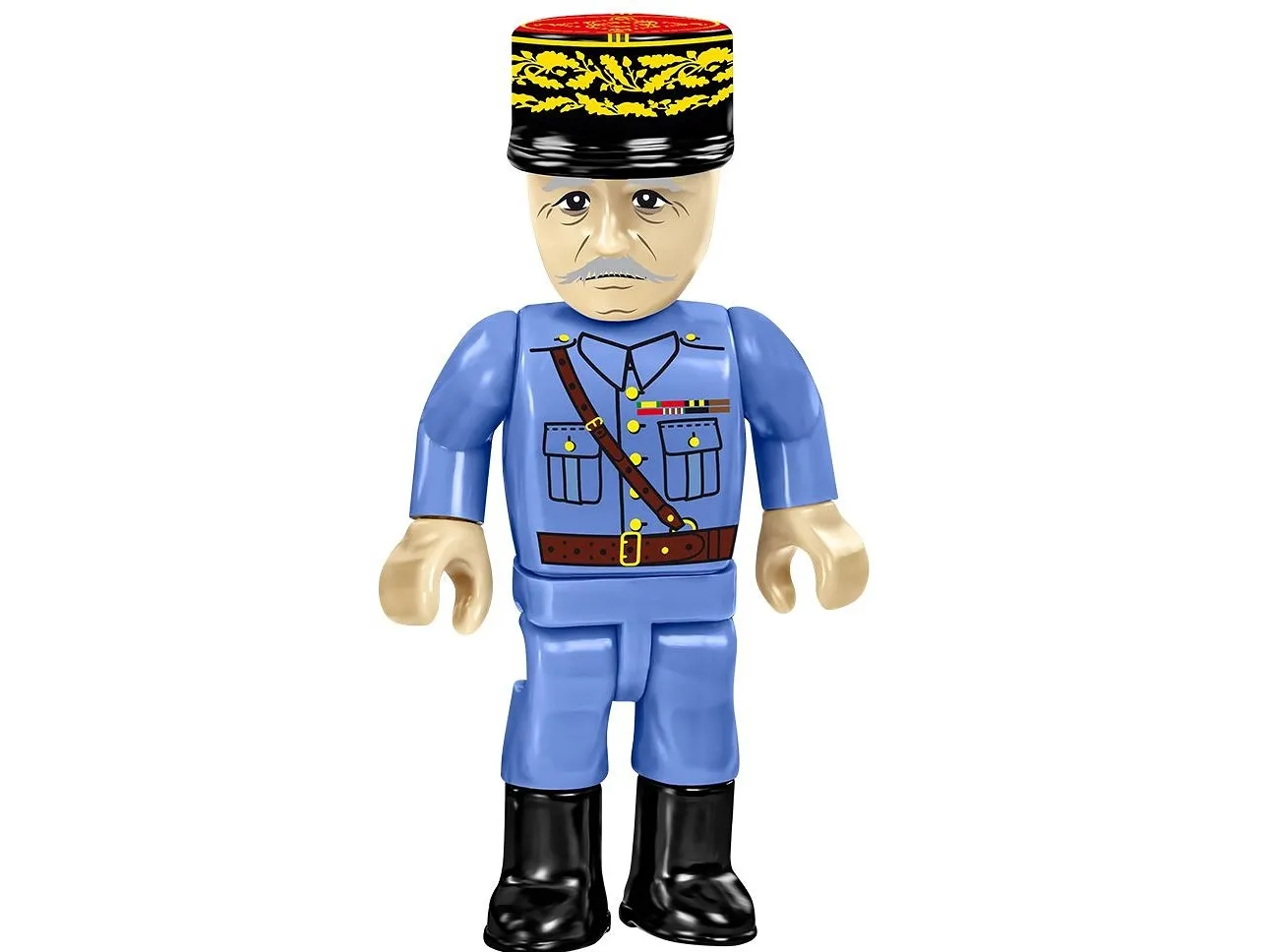
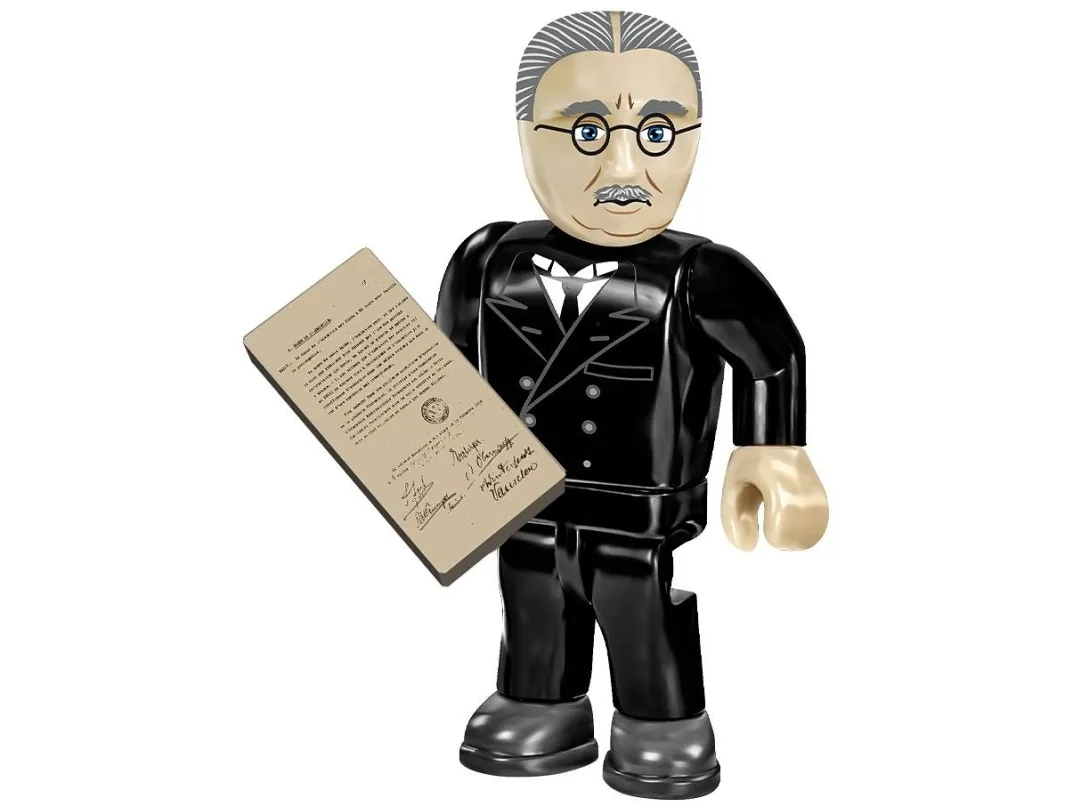
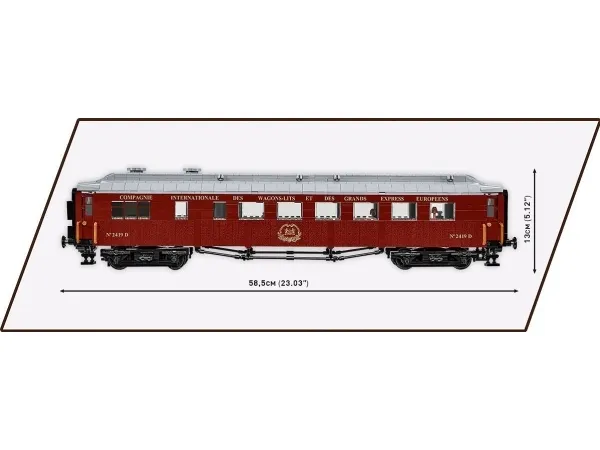
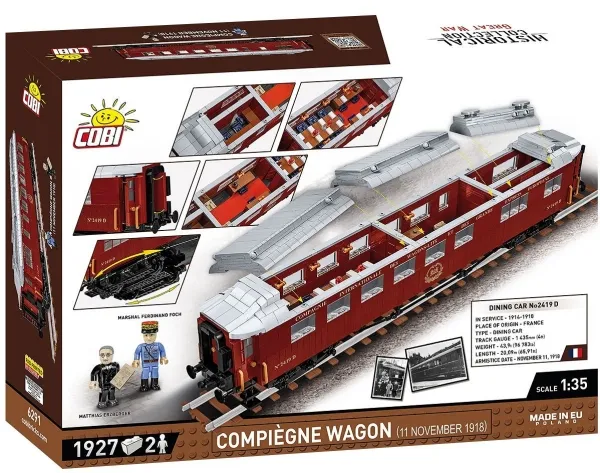
The wagon, measuring almost 60 centimeters, is a completely new design in the railway series from COBI. Behind its textured sides there is a perfectly reproduced interior, which can be easily seen after removing the roof. The aforementioned sides are covered with new, long blocks with a wood texture and prints, thanks to which the wagon looks just like the original. The gold prints show the Compagnie Internationale des Wagons-Lits logo, the wagon number and the elaborate slogan above the windows. The wagon has opening doors on the sides, on its front walls in the passages between the wagons and inside between the subsequent sections. The interior of the wagon shows Ferdinand Foch's saloon. The wagon's interior is the same as in November 1918. The set includes two figures representing both sides that signed the armistice. On the German side it is Matthias Erzberger, and on the French side Marshal Ferdinand Foch.
The wagon, built from 1927 elements, is a symbol of the end of the Great War but its appearance and construction also recall the history of the Compagnie Internationale des Wagons-Lits organization and the luxury "Orient Express" trains. The wagon will look great in the collection of every fan of railways and the history of the Great War.
The car was built in the Saint-Denis workshops as a restaurant car and was used in this role until August 1918. In October 1918 it was rebuilt as a saloon car of Marshal Ferdinand Foch, who, together with the German Minister without Portfolio Matthias Erzberger, ratified the armistice on the Western Front in it on 11 November, 1918. After the signing of the first armistice in the Compiègne Forest, the car returned to the CIWLT, where it was used until 1921, when it was transferred to the Musée de l’Armée and was exhibited on the Place des Invalides in Paris from 1921 to 1927.
Tuotetyyppi
Rakennuspalikat
Tuotteen väri
Tiilen värinen, Harmaa
Suositeltu ikä (min)
10 vuosi/vuosia
Osien määrä
1927 kpl
Tukee ääniefektejä
Ei
Ehdotettu sukupuoli
Poika/tyttö
Suositusikä
Aikuinen & lapsi
Suositeltu käyttö
Sisätila
Teema
Trains
Mitat koottuna
585 x 130 mm
Alkuperämaa
Puola
EU TSD -varoitus
Ei alle 36-kuukauden ikäisille lapsille
Pakkaustyyppi
Laatikko
Lelupikkuhahmojen lukumäärä
2 kpl
Löydämme tuotteen järjestelmästämme helposti seuraavalla tuotenumerolla
EAN:
5902251062910
SKU:
5902251062910
Miksi samalla tuotteella on monta eri tuotesivua tai tuotenumeroa?
Valmistajat usein julkaisevat saman tuotteen monella eri tuotenumerolla. Usein eroa on vain pakkauksessa. Eri tuotepakkaus saattaa olla suunniteltu eri valtioille.
Yritämme parhaamme mukaan laittaa samat tuotteet saman tuotenumeron alle, mutta joskus sama tuote on eri tuotenumeroilla sivullamme.